-
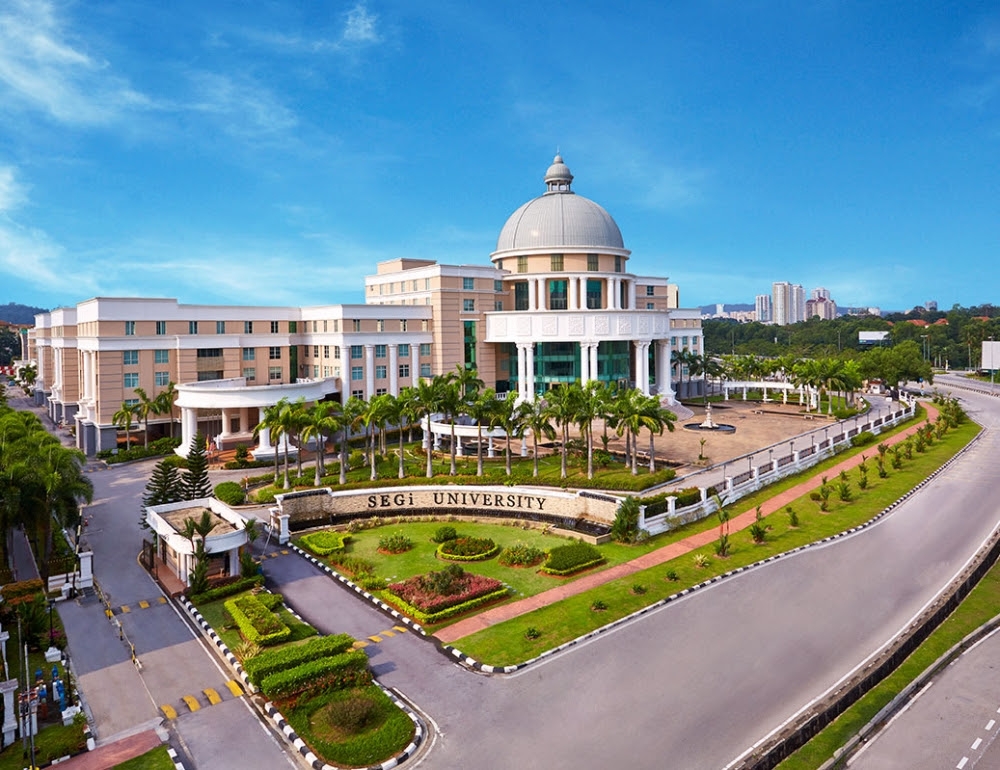 Workshop | The Neuroscience of Language:
Understanding How the Brain Processes LanguagePETALING JAYA, MALAYSIA APRIL 20, 2023
Workshop Title:
The Neuroscience of Language: Understanding How the Brain Processes Language
Date:
April 20th, 2023 (GMT+8)
Organizer:
Faculty of Education, Languages, Psychology and Music, SEGi University
Keywords:
- Neuroscience
- Early diagnosis of language disorder
- Speech
Workshop Chair:
Personal Bio:
Associate Professor, Dr. Sheiladevi Sukumaran is a program leader and senior lecture in Segi University. She obtained her Bachelor of Science (Hons), Master's in Science and Doctor of Philosophy in Education Management from the University of Malaya. Her job scope currently is managing research postgraduate students. She has taught subjects like Research Method and Statistics, Biochemistry, Cell Biology, Psychology, Human Anatomy and Physiology.Her interest in research involving Biotechnology, STEM, Science and Technology. She currently involved in numerous research includes FRGS, Grant Program Pembangunan Masa Depan Malaysia, REIG Grants, Seed Grant, PSIF grants and two Segi University Internal Grants. She also has several Scopus publications, ebook, conference proceeding publication and poster presentation. One of the publication in Asia Pacific Journal Molecular Biology and Biotechnology, that won best poster is Knowledge, Attitude and Perception towards Cancer Prevention Practice among Public in Putrajaya Cancer. She has four industrial collaborations that involved eye specialist center, natural product, health device industry and berry product distributor. She is also actively involved in National STEM Malaysia organizing many activities in school and higher education level.
Workshop Description:
Background:
Teachers can benefit from understanding the brain as it can provide them with valuable insights into how children learn, process information, and develop cognitive, social, and emotional skills. Such understanding can be used to tailor teaching methods to suit different learning styles, build positive relationships, promote active learning, foster emotional regulation, and encourage a growth mindset. Language development is a complex process that involves the brain and its neural networks. Neuroscience has shown that the brain is highly plastic and can change in response to experience, which has significant implications for language learning. Research has revealed that language acquisition involves various regions of the brain, including the left hemisphere's Broca's and Wernicke's areas, which are responsible for language production and comprehension, respectively. The brain's ability to process and interpret language depends on various factors, such as exposure to language, the quality of language input, and the child's cognitive abilities. Understanding the neuroscience of language development can help educators and caregivers create language-rich environments that support children's language learning.
Goal/Rationale:
Understanding the neuroscience of language development can help educators and caregivers create language-rich environments that support children's language learning. Such an understanding can also help identify language development disorders, such as dyslexia and aphasia, and provide effective interventions. In summary, neuroscience research has shed light on the brain's role in language development, highlighting the importance of providing children with quality language input and a supportive learning environment. In 2020, The Ministry of Education of Malaysia data reported that the number of students diagnosed with dyslexia was 13,302. Brain development and disability are closely related. The brain undergoes significant changes during development, and any disruption or alteration in this process can result in developmental disabilities.
Scope and Information for Participants:
1.Define the scope of the research topic, listing specific themes you would like contributors to address.
Language development is a complex process that involves the interaction between environmental and biological factors. One important aspect of language development is the role of the brain in acquiring and processing language. A few specific themes we aim to contributes such as;
i. The relationship between brain development and language acquisition in children.
ii. The Impact of Bilingual Education on Brain Development and Language Processing in Students.
iii. Investigating the neural mechanisms underlying language comprehension:
Highlights:
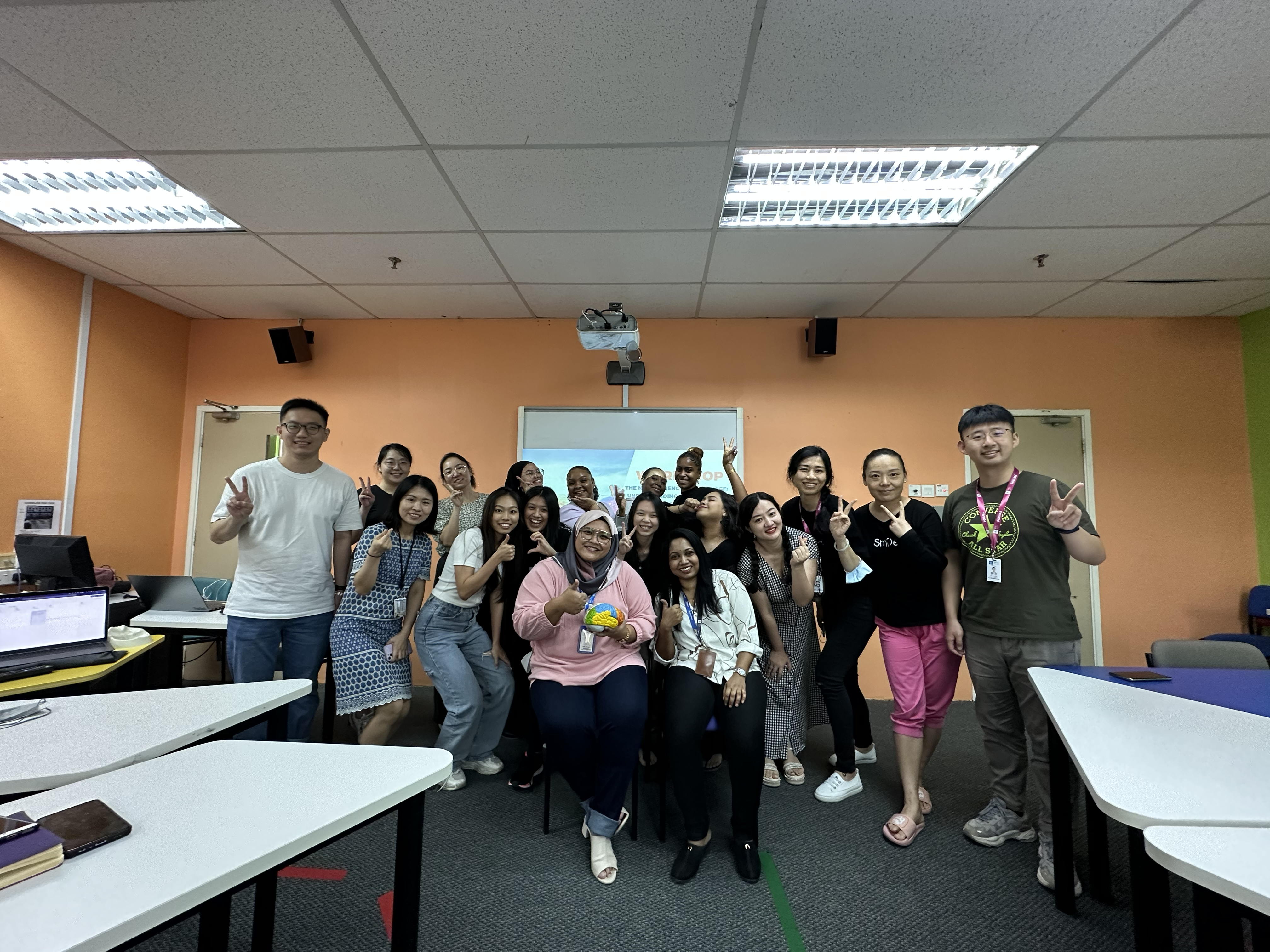
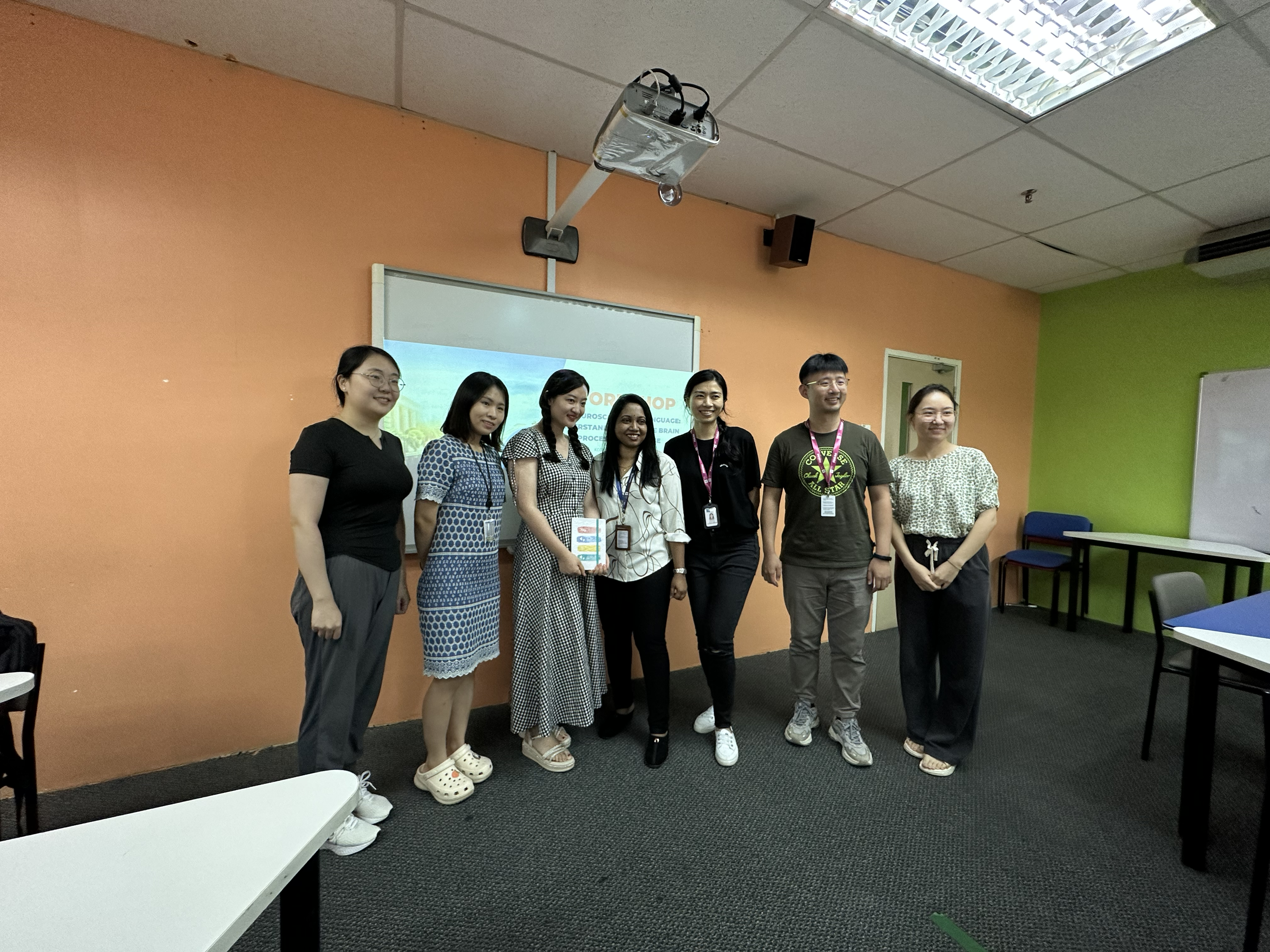
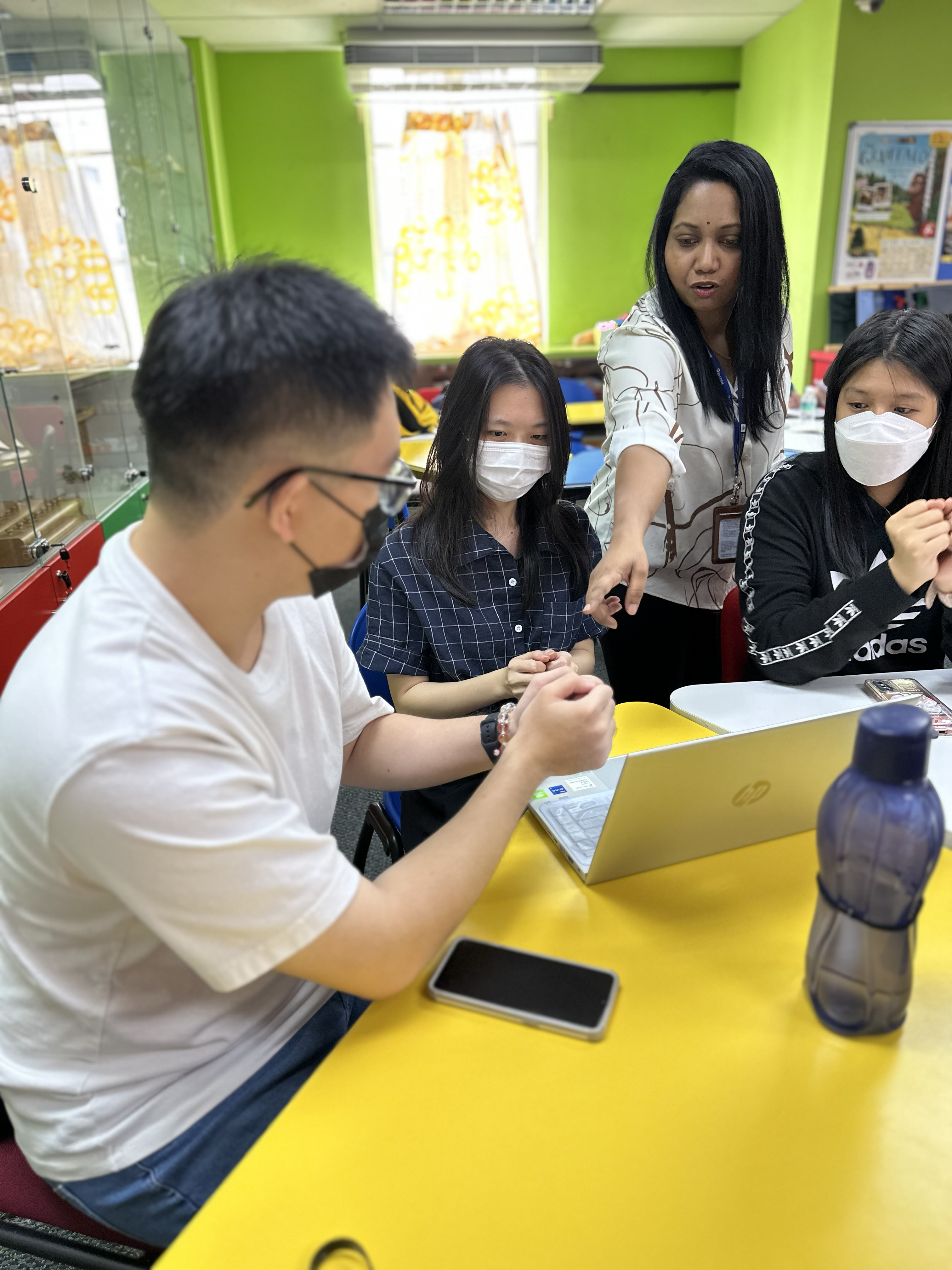
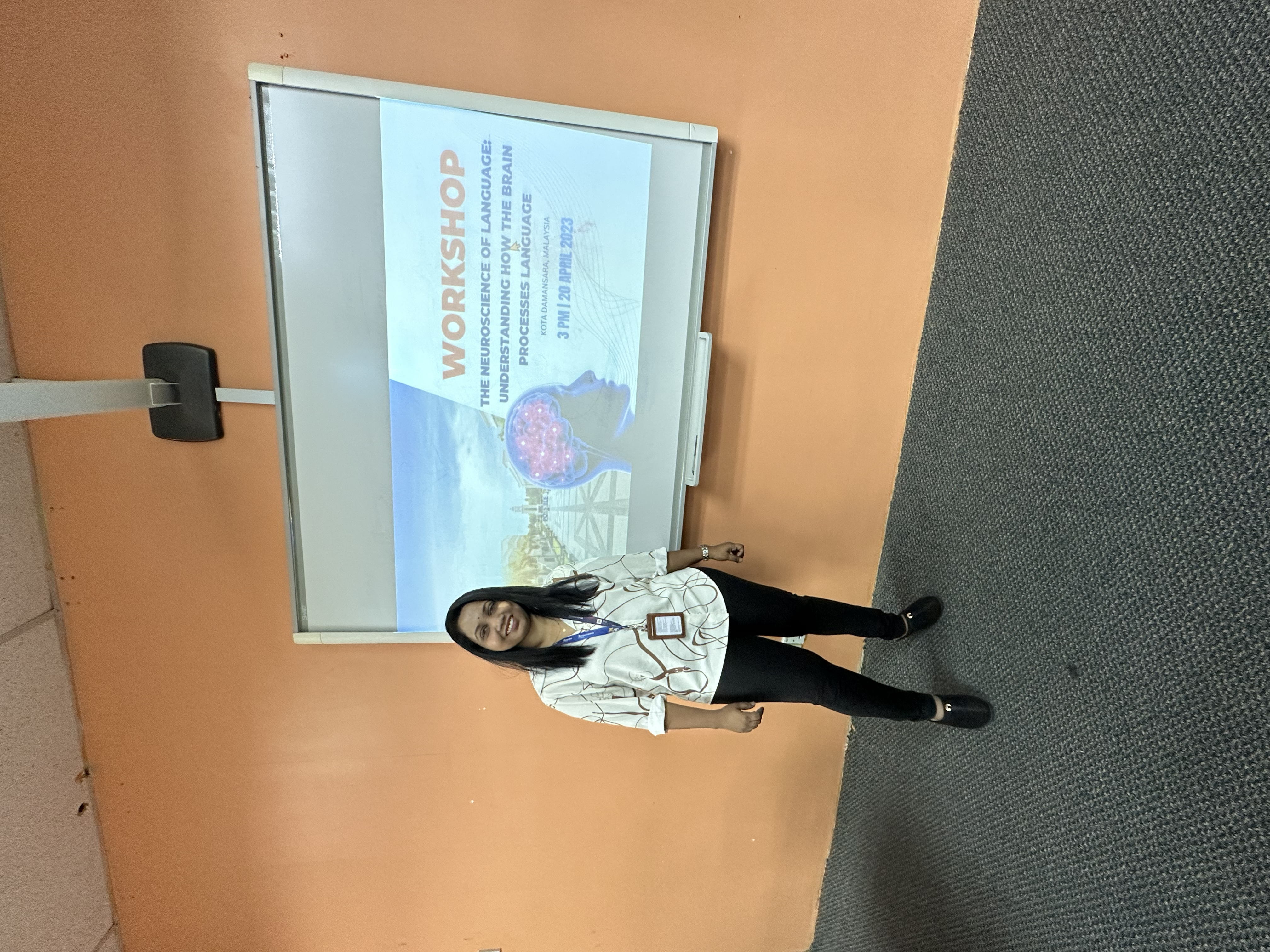
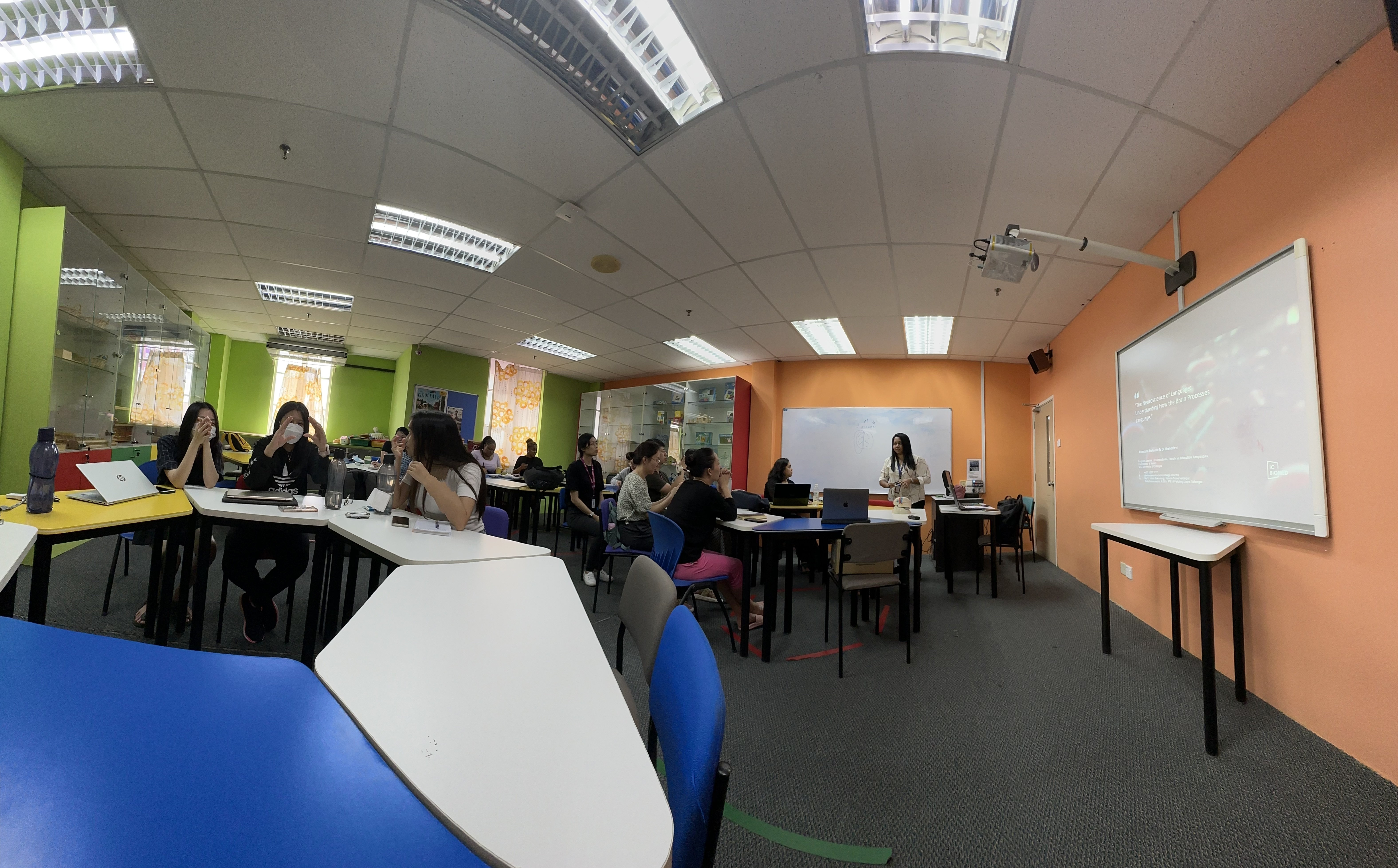
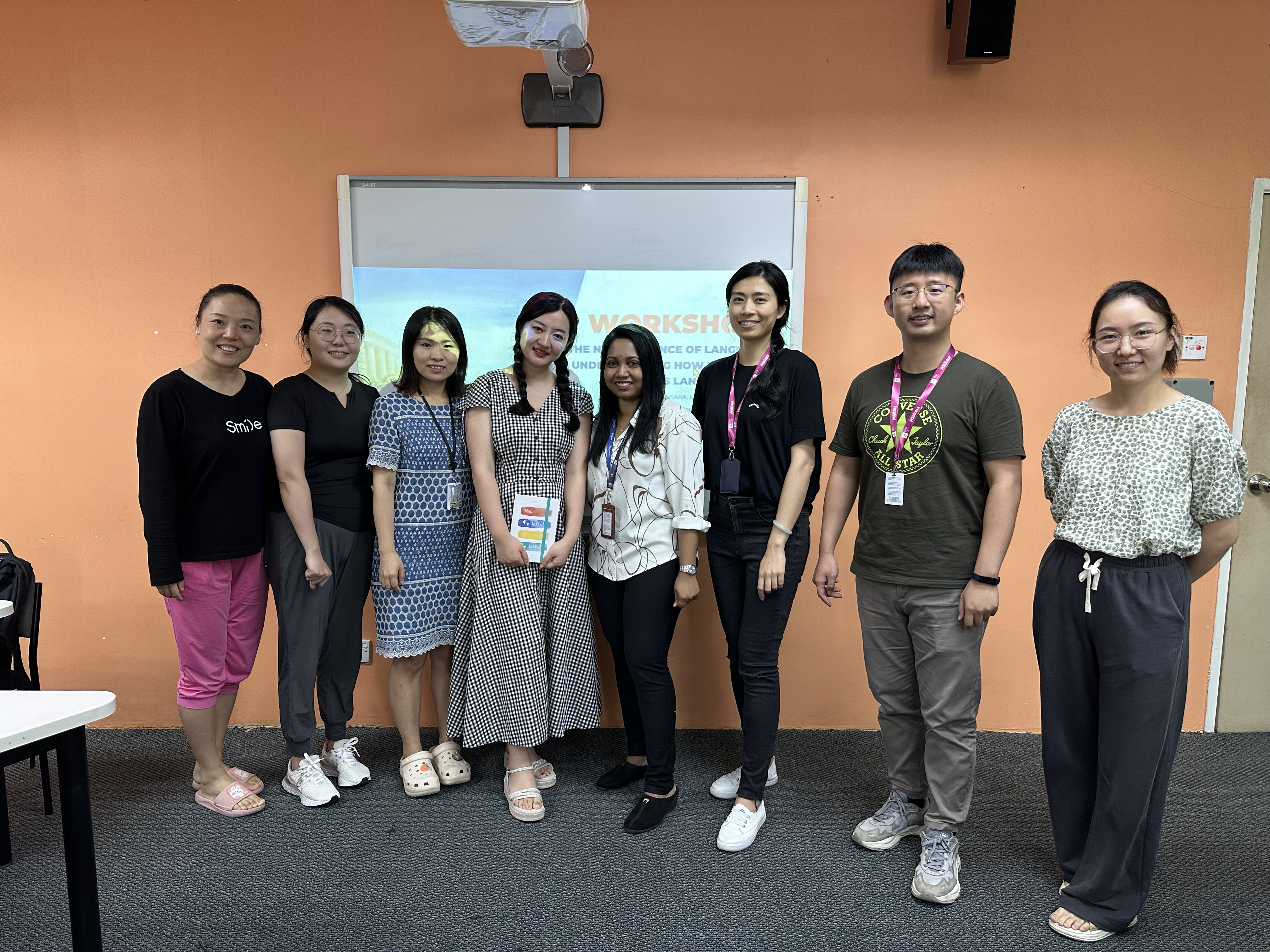
A workshop "The Neuroscience of Language: Understanding How the Brain Processes Language"; on 20th April 2023 from 3pm-4: 30pm. Around 20 participants attended the workshop. The participants get to explore the fascinating intersection between the brain and language and gain a deeper understanding of the complex processes that underpin our ability to communicate. Participants get to know that language is one of the most fundamental aspects of human communication, allowing us to express our thoughts, emotions, and ideas.
The brain process and interpret language, neural mechanisms that allow us to understand and produce speakers, and how brain ability develops over the course of our lives. We also explored many issues through the deep into the cutting-edge research and technology that is driving our understanding of the brain and language, and integrate the implications of this research for fields such as education, psychology, and linguistics. I am confident that this conference was a rewarding experience by embracing this opportunity to unlock the secrets of the brain and language.
Access to Workshop:
The Neuroscience of Language: Understanding How the Brain Processes Language - Youtube
Venue:
9, Jalan Teknologi, Pju 5 Kota Damansara, 47810 Petaling Jaya, Selangor, Malaysia
VISA
While there are several citizens who can travel to Malaysia visa free, many foreign nationals are required to obtain a tourist visa to enter the country. The Government of Malaysia introduced an electronic visa system on March 2017 to simplify the process of obtaining a visa to travel to and around Malaysia.
The tourist eVisa for Malaysia and the eNTRI online visa were both implemented to promote tourism and encourage foreign nationals to visit this beautiful country.
Citizens of the following eligible countries can easily obtain their Malaysia tourist visa through an online form. (Source: Malaysia Tourist Visa | Malaysia My Visa)
What you need to do
- Valid passport
- Passport-sized photo (see the complete Malaysia visa photo requirements for more information)
- Confirmed return flight reservation.
- Minor applicants will require a birth certificate.
Nationals of these countries can apply for their tourist visa from anywhere in the world, except while being in Malaysia or Singapore.
The approved tourist eVisa for Malaysia will be sent to the applicant's email. The traveler can print it out to present upon arrival.
The following documents are also necessary to enter Malaysia:
- Printed eVisa
- Valid passport
- Confirmed return flight reservation
- Proof of accommodation
- Sufficient funds for expenses while in Malaysia (credit or debit card/cash/traveler's cheque)
The Malaysia tourist visa holder can stay in Malaysia for a period of up to 30 days. The tourist eVisa for Malaysia also allows multiple entries into the country.
Malaysia Tourist Visa Status Check
All notifications and updates will be sent to the applicant by email. It is therefore absolutely essential that applicants provide a functional email address so that they can be properly kept fully up to date with the application process. The majority of applications for the tourist visa are processed within 1 business day, and as soon as an application has been approved the traveler will be notified immediately.